
Home / RuBee vs RFID / Hospitals
RuBee Applications
Asset Tags That Are Safe in Hospitals and Operating Rooms
RFID readers radiate watts of RF power and are banned from many hospitals. RuBee (IEEE 1902.1) produces about 40 nanowatts. The FDA classified it as a Class 1, Non-Significant Risk device, and peer-reviewed Mayo Clinic studies show no effect on pacemakers or ICDs and no significant EMI/EMC in the operating room.
Why radio struggles here
- ▸A UHF RFID reader radiates about 4 watts.
- ▸RFID requires OSHA warning signs at 23 inches and is banned from many hospitals.
How RuBee handles it
- ▸RuBee produces about 40 nanowatts, a quadrillion times less RF power than a UHF RFID reader.
- ▸RuBee is roughly one million times below OSHA limits under IEEE C95.1.
- ▸Magnetic fields are not blocked by people or liquids, so tags are read without line of sight.
In Practice
FDA, 2006
IEEE 1902.1 classified as a Class 1, Non-Significant Risk device.
Mayo Clinic
No effect on pacemakers or ICDs; no significant EMI/EMC in the operating room.
Sealed tags
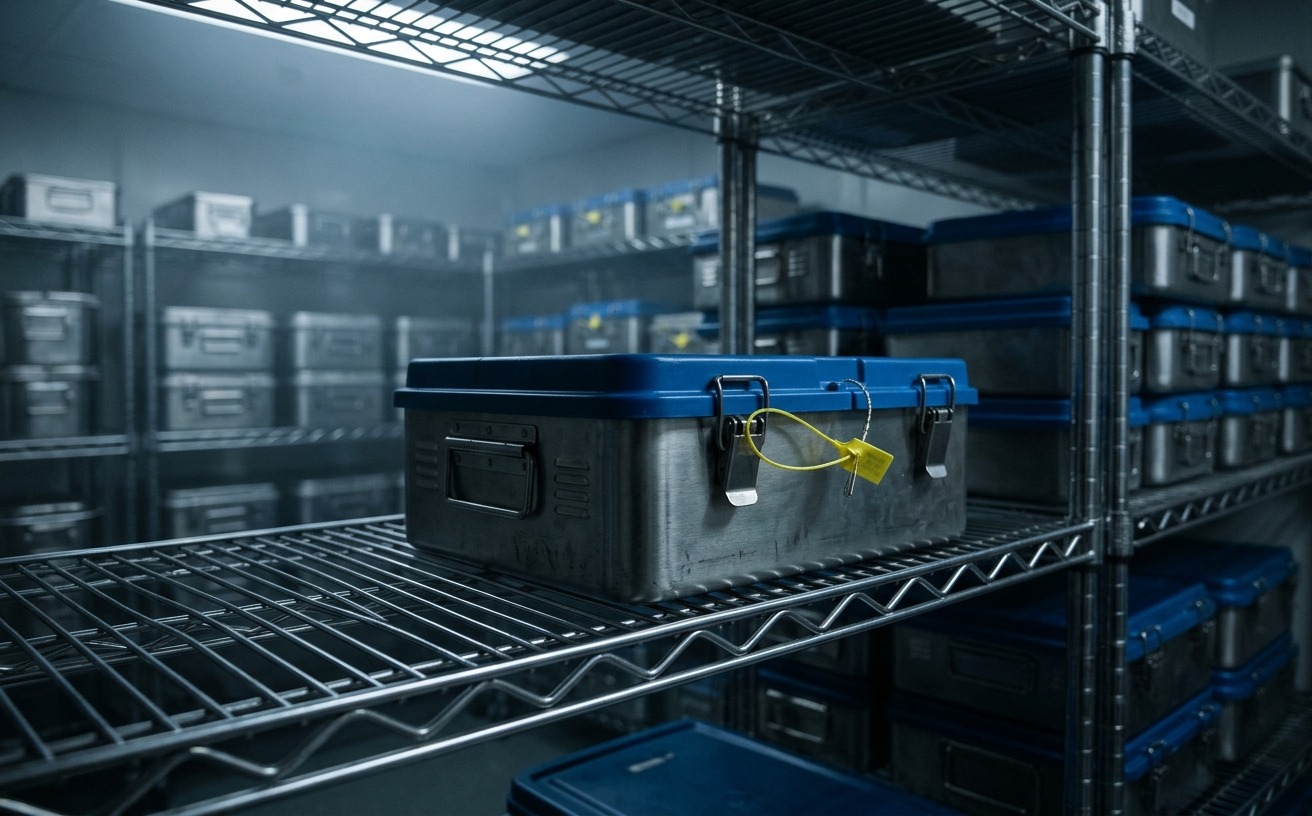
Tags are sealed to MIL-STD 810, with a 5 to 25 year battery life.
The Evidence
Questions and Answers
Is RuBee safe around pacemakers?
Yes. Peer-reviewed Mayo Clinic studies show RuBee has no effect on pacemakers or ICDs.
Why are RFID readers restricted in hospitals?
A UHF RFID reader radiates about 4 watts and requires OSHA warning signs at 23 inches. RFID is banned from many hospitals.
How much power does RuBee emit?
About 40 nanowatts, roughly one million times below OSHA limits under IEEE C95.1.